Email Marketing Strategy: 12 Steps to Build a List That Sells
 Kamran Liaquat Ali
- posted on
- No Comment

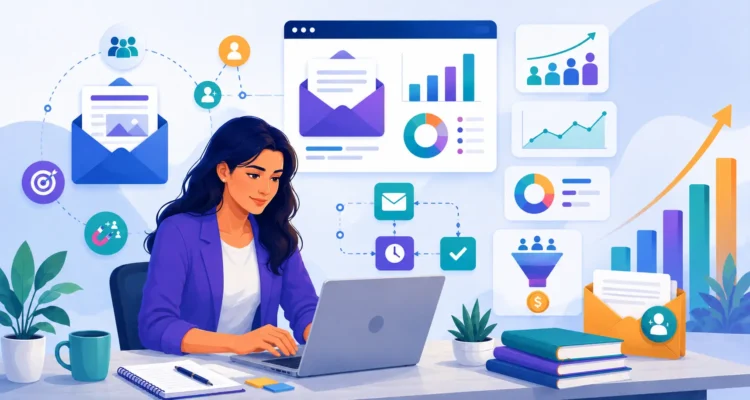
Quick answer: A strong email marketing strategy has five parts: a clear goal, a list built with permission, segments based on what subscribers do, a few automated emails (welcome, abandoned cart, re-engagement) and regular newsletters that are genuinely useful. Authenticate your domain so emails reach the inbox, measure clicks and sales rather than opens, and clean inactive subscribers regularly.
This guide covers 12 steps, the essential campaign types, the metrics that matter, deliverability rules and a 90-day plan. It is part of our Career and Digital Skills guide.
What Is an Email Marketing Strategy?
It is a plan for how you will grow a list of people who want to hear from you, what you will send them, when, and how you will measure success. Unlike social media, you own the list, so you are not dependent on an algorithm to reach your audience.
Why Email Still Works
- You reach people directly in their inbox without paying for each view.
- Subscribers have chosen to hear from you, so they are warmer than social followers.
- Automation lets one well-written sequence work for months.
- Results are easy to measure in clicks, sign-ups and sales.
12 Steps to Build Your Strategy
1. Choose One Main Goal
Sales, leads, repeat purchases, course sign-ups or reader loyalty. Your goal decides what you send and what you measure.
2. Understand Your Subscribers
What problem brought them to you, and what do they need before they buy? Map the steps from first visit to purchase.
3. Offer a Clear Reason to Subscribe
“Subscribe to our newsletter” is weak. A checklist, discount, free template or a specific promise (“one practical SEO tip every Tuesday”) works far better.
4. Build the List With Permission
Never buy lists. Use clear sign-up forms, say what people will receive, and consider double opt-in to keep the list clean.
5. Segment by Behaviour
Group subscribers by what they do: new subscribers, customers, repeat buyers, people who clicked a certain topic, and inactive readers. Even two or three segments improve relevance.
6. Plan Content Around the Journey
New subscribers need introductions and quick wins; customers need onboarding and tips; loyal readers can receive offers and deeper content.
7. Write Honest Subject Lines
Say clearly what is inside. Clickbait may lift opens once, but it trains people to ignore or report you.
8. Design Clean, Accessible Emails
One main message, one main call to action, readable font sizes, alt text on images and a layout that works on phones, where most emails are read.
9. Keep a Sustainable Schedule
Weekly or every two weeks is realistic for most small businesses. Consistency builds trust; long silences make people forget they subscribed.
10. Automate Key Journeys
Set up welcome, abandoned cart, post-purchase and re-engagement sequences first. They often produce the most revenue per email.
11. Test One Thing at a Time
Test subject lines, send times or calls to action separately, so you know what caused the difference.
12. Review Monthly and Adjust
Look at which emails led to clicks and sales, and shift effort toward those topics and formats.
Essential Campaign Types
| Campaign | Purpose | When to send |
|---|---|---|
| Welcome series | Introduce your brand and deliver the promised offer | Immediately after sign-up, then over 1 to 2 weeks |
| Newsletter | Educate and build trust | Weekly or every two weeks |
| Promotional | Launches, sales and offers | A few times a quarter, not every email |
| Transactional | Receipts, shipping, account notices | Triggered by an action |
| Re-engagement | Win back inactive subscribers or remove them | After 3 to 6 months of no activity |
Metrics That Matter
| Metric | What it tells you |
|---|---|
| Click rate | Whether the content and offer are relevant |
| Conversion rate | Whether emails lead to sign-ups or sales |
| Revenue per email | The real business value of each send |
| Unsubscribe and spam complaint rate | Whether you are sending too often or the wrong content |
| List growth rate | Whether new subscribers outpace those leaving |
Treat open rates with caution. Privacy features such as Apple Mail Privacy Protection load emails automatically, which inflates opens. Clicks and conversions are more reliable.
Deliverability and Compliance
- Authenticate your domain with SPF, DKIM and DMARC. Google’s email sender guidelines require this for bulk senders, along with one-click unsubscribe and low spam complaint rates.
- Follow anti-spam laws. In the US, the FTC’s CAN-SPAM compliance guide explains rules such as accurate sender details, a physical address and honouring opt-outs. EU and UK subscribers are covered by GDPR and stricter consent rules.
- Clean your list. Remove hard bounces immediately and inactive subscribers after a re-engagement attempt.
- Warm up new domains by sending to your most engaged subscribers first.
A 90-Day Plan
Days 1 to 30: Foundation
Choose an email platform, authenticate your domain, create a sign-up offer and form, and write a three-email welcome series.
Days 31 to 60: Publish and Automate
Send a regular newsletter, add an abandoned cart or post-purchase sequence, and create two or three basic segments.
Days 61 to 90: Improve
Review clicks and sales, test subject lines and calls to action, run a re-engagement campaign and set goals for the next quarter.
Common Mistakes
- Buying or scraping email lists.
- Sending only promotions.
- Sending the same email to everyone.
- Hiding the unsubscribe link.
- Judging success only by open rate.
- Skipping domain authentication.
Email and Social Media Together
Social media helps people discover you; email turns that attention into a relationship you control. Use social posts to promote your sign-up offer, as covered in our social media marketing strategies guide. Email marketing is also a valued skill for freelancers and remote workers, see our freelancing guide for beginners.
Frequently Asked Questions
What is the best email marketing strategy for beginners?
Start with a strong sign-up offer, a three-email welcome series and a simple weekly or fortnightly newsletter. Add automation and segments once those are running.
How often should a business send marketing emails?
Weekly to every two weeks suits most small businesses. Watch unsubscribe and complaint rates; if they rise, send less often or improve relevance.
How long should a marketing email be?
As long as it needs to be to deliver one clear message. Promotional emails are usually short; educational newsletters can be longer if they are well structured.
What is a good open rate?
Open rates vary by industry and are inflated by privacy features, so focus on click rate and conversions and compare against your own past results.
Should I remove inactive subscribers?
Yes, after a re-engagement attempt. Inactive addresses hurt deliverability and can cost money on platforms that charge per contact.
Final Thoughts
Email rewards patience and respect: earn permission, send useful messages, automate the important moments and measure what leads to real results. A small, engaged list is worth more than a large, ignored one. For more guides, visit the Career and Digital Skills guide.
