The Mystery of Time Loop
Kamran Liaquat ali
- posted on
- Comments Off on The Mystery of Time Loop
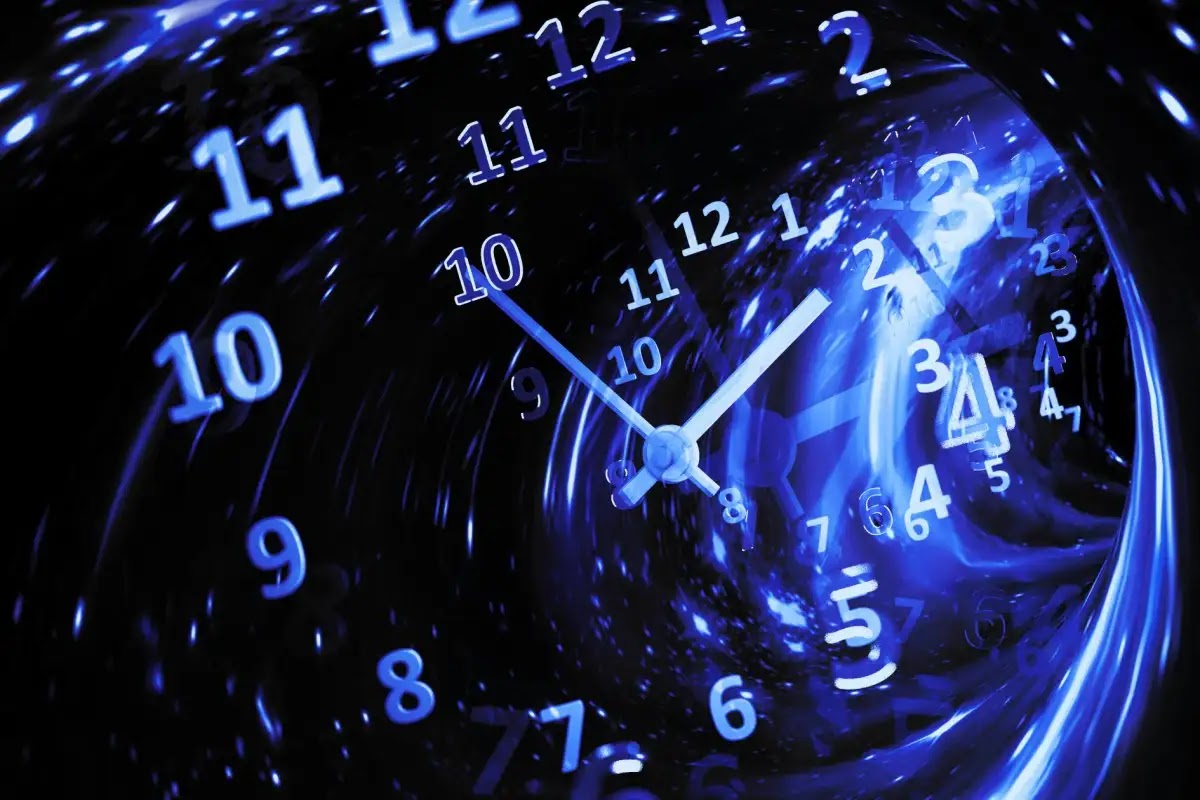
Time
loop, a fascinating phenomenon that has intrigued storytellers, scientists, and
philosophers alike, refers to a situation where a period of time repeats itself
indefinitely. This concept has captured the imagination of many, finding its
way into various forms of media, from literature to movies and video games.
Understanding
the Concept
What
is a time loop?
A
time loop occurs when a certain period of time repeats itself, trapping
individuals within a cyclical existence where events play out identically each
time.
Theoretical
basis of time loops
In
theoretical physics, the concept of time loops finds its roots in theories of
time manipulation and the bending of space-time.
Time
Loop Mechanics
How
time loops work
The
mechanics of time loops vary depending on the narrative or theoretical
framework, but they often involve a causal loop where actions lead back to the
initial conditions, perpetuating the loop.
Different
variations and interpretations
Time
loops can manifest in different ways, from subtle changes in events to complete
resets of the timeline.
Psychological
Impact
Effects
of being trapped in a time loop
Being
caught in a time loop can have profound psychological effects on individuals,
leading to feelings of despair, confusion, and existential dread.
Mental
health implications
The
repetitive nature of a time loop can exacerbate existing mental health issues
and raise questions about identity and purpose.
Time
Loop in Movies and TV Shows
Notable
examples and their portrayal
Movies
like “Groundhog Day” and TV shows like “Russian Doll” have
explored the concept of time loops with varying degrees of depth and
complexity.
Impact
on storytelling
Time
loops offer storytellers a unique narrative device to explore themes of
redemption, personal growth, and the nature of reality.
Philosophical
Considerations
Existential
themes in time loop narratives
Time
loop narratives often delve into existential themes such as the search for
meaning, the nature of free will, and the inevitability of fate.
Questions
about free will and determinism
The
repetitive nature of time loops raises philosophical questions about the extent
of free will and whether individuals are truly able to break free from
predetermined events.
Breaking
the Loop
Strategies
for escaping a time loop
Characters
trapped in time loops often go through a process of self-discovery and personal
transformation to break free from the cycle.
Themes
of redemption and personal growth
Breaking
the time loop is often accompanied by themes of redemption, forgiveness, and
the opportunity for a second chance at life.
Real-life
Time Loop Scenarios
Alleged
cases and urban legends
Throughout
history, there have been anecdotal accounts of individuals experiencing time
loops, though most of these instances remain unverified.
Scientific
skepticism and explanations
Scientists
remain skeptical of claims regarding real-life time loops, attributing such
experiences to psychological phenomena or faulty memory.
Time
Loop in Literature
Classic
and contemporary examples
Literature
has long explored the concept of time loops, with works like “The Time
Machine” by H.G. Wells and “Before I Fall” by Lauren Oliver
offering unique perspectives on the theme.
Literary
techniques and symbolism
Authors
use literary techniques such as foreshadowing and symbolism to convey deeper
meanings within time loop narratives.
Time
Loop in Video Games
Interactive
experiences and player agency
Video
games like “The Legend of Zelda: Majora’s Mask” and “Outer
Wilds” allow players to interact with time loops, offering a sense of
agency and exploration.
Incorporation
of time loop mechanics
Game
developers utilize time loop mechanics to create intricate puzzles and
immersive storytelling experiences that challenge players’ perception of time.
Time
Loop in Religion and Mythology
Mythological
parallels and interpretations
Mythologies
from around the world feature stories of cyclical time and eternal recurrence,
echoing the themes found in modern interpretations of time loops.
Religious
motifs and cultural significance
Religious
texts often contain allegorical references to time loops, symbolizing concepts
such as rebirth, renewal, and the eternal cycle of life and death.
Time
Loop and Time Travel
Relationship
between time loops and time travel
While
time loops and time travel are distinct concepts, they share common themes and
often intersect in narratives exploring the manipulation of time.
Paradoxes
and temporal theories
The
study of time loops and time travel gives rise to paradoxes such as the
grandfather paradox and debates surrounding the possibility of altering the
past.
Ethical
Dilemmas
Moral
implications of manipulating time
The
ability to manipulate time raises ethical questions about the consequences of
altering the course of history and interfering with the natural order of
events.
Consequences
of altering the timeline
Time
loop narratives often explore the unintended consequences of changing past
events, highlighting the delicate balance of cause and effect.
Time
Loop and the Human Experience
Reflections
on the nature of time
The
fascination with time loops reflects humanity’s deep-seated curiosity about the
nature of time and our place within the cosmic order.
Personal
interpretations and insights
Individuals
interpret time loop narratives in unique ways, finding personal meaning and
insights into their own lives and experiences.
Conclusion
Time
loops, with their enigmatic allure and profound philosophical implications,
continue to captivate audiences and inspire contemplation about the nature of
existence and the passage of time.
