Discovering the Origin of Stars: Unraveling the Mysteries
Kamran Liaquat ali
- posted on
- Comments Off on Discovering the Origin of Stars: Unraveling the Mysteries
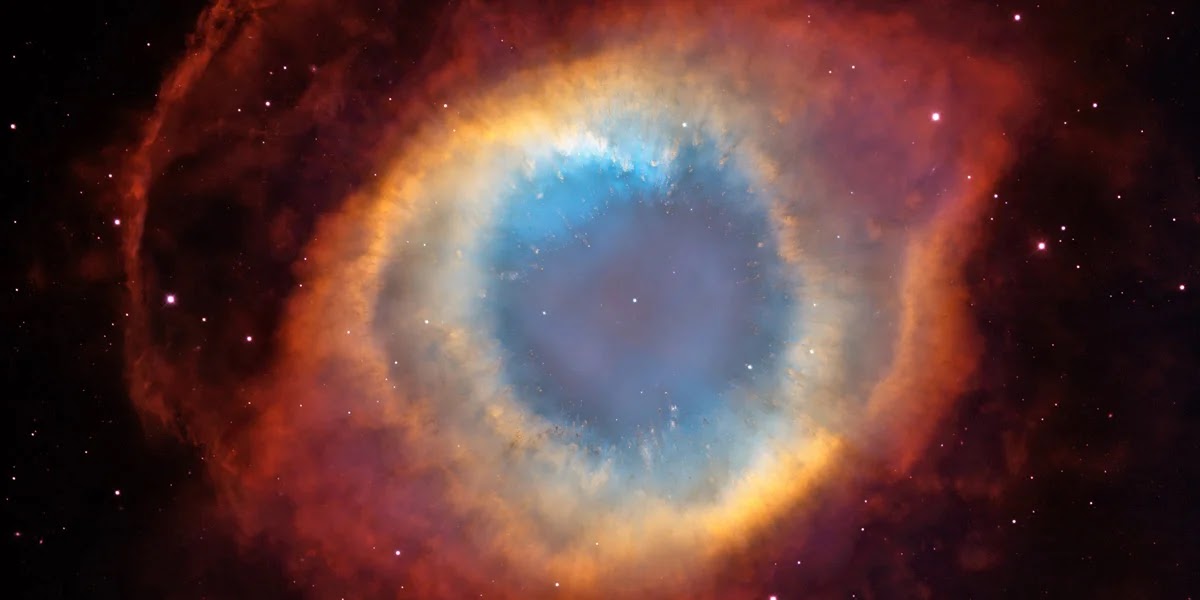
Nebula and the Star Life Cycle: How Stars Are Born, Live, and Die
When we look out into space, we notice that there are bright stars shining in the dark sky. However, stars do not just suddenly appear in the sky. Each star has a life cycle that starts in a nebula. A nebula is one of the most vital areas of the Universe because it is where stars are born.
In the year 2026, new space telescopes and new technology enable scientists to study nebulae more closely than ever before. These findings enable us to learn more about the life cycles of stars and how they eventually die out.
What Is a Nebula?
A nebula is a massive cloud of gas and dust that floats in space. A nebula consists mostly of hydrogen gas, as well as other gases and tiny particles.
There are many different kinds of nebulae, ranging from colorful to dark and thick. Although they may appear peaceful, nebulae are actually very active areas of space where new stars are being born.
Scientists refer to nebulae as the “birthplace of stars.”
The Birth of a Star
Within a nebula, gas and dust gradually start to come together. This is due to the force of gravity. Over time, gas and dust accumulate in a nebula to form dense areas.
As the force of gravity pulls more gas and dust toward the center, the center heats up and becomes heavier. When a sufficient amount of gas accumulates, a new star is born. This marks the beginning of a star’s life cycle.
The Protostar Stage: A Young Star Forms
During this phase, the star is referred to as a protostar. At this point, the star is still hidden away in thick clouds of gas and dust.
The protostar is not yet fully radiant, but it is increasing in size. The heat builds up in its core. Energy begins to develop, and the star gradually increases in strength.
This process may take millions of years. During this period, the star readies itself for its next life phase.
Main Sequence: The Active Life of the Star
As the core heats up, nuclear fusion occurs. This results in the production of light and heat. The star then enters the main sequence life phase.
This is the longest life phase of most stars, including our Sun. During this phase, the star radiates steadily and remains stable for a long time.
During this phase, the force of gravity pulls the star inward, while the energy pushes it outward. This balance sustains the star and keeps it radiating.
Stellar Evolution: The Transformation of Stars
As stars grow older, they undergo transformations. Depending on their size, the following changes occur.
Small to medium-sized stars gradually increase in size to become red giants. Later, they shed their outer layers to form white dwarfs.
Large stars live shorter lives and consume their fuel rapidly. Once the fuel is depleted, they explode in a massive explosion known as a supernova. This explosion is one of the brightest in the universe.
Supernovae and Cosmic Recycling
The supernova is not the end of the world but rather the beginning of a new life. It scatters vital elements throughout the universe.
These elements travel across the universe and help form new nebulae, stars, planets, and even life. This process is referred to as cosmic recycling.
All the elements surrounding us, including our planet Earth, have elements that were created inside ancient stars.
Why Nebulae Matter in 2026
In 2026, space exploration and telescopes assist scientists in learning more about nebulae. Learning about nebulae helps scientists answer big questions about the creation of galaxies and how life-supporting planets emerge.
Nebulae assist scientists in learning about the future of stars and the future of the Universe.
Final Thoughts
The life of a star is a long and strong process. It starts in a nebula, develops through various stages, and ends by giving back to the Universe.
Nebulae are more than just clouds in space. Nebulae are the birthplaces of stars, planets, and everything that we see in the night sky.
When we gaze at the night sky, we are witnessing the end of a cycle that has been repeating for billions of years.
Frequently Asked Questions
What is a nebula?
A nebula is a big cloud of gas and dust in space where stars are born.
How long does it take for a star to form?
Star formation takes millions of years from start to finish.
What is a protostar?
A protostar is a young star that is still being formed in a nebula.
What happens when a star dies?
Small stars turn into white dwarfs. Large stars turn into supernovae.
Why are nebulae important?
Nebulae are important because they contain the materials that are used to make new stars and planets.
