Car Accident Legal Resource Center: Steps After a Crash
 Kamran Liaquat Ali
- posted on
- No Comment

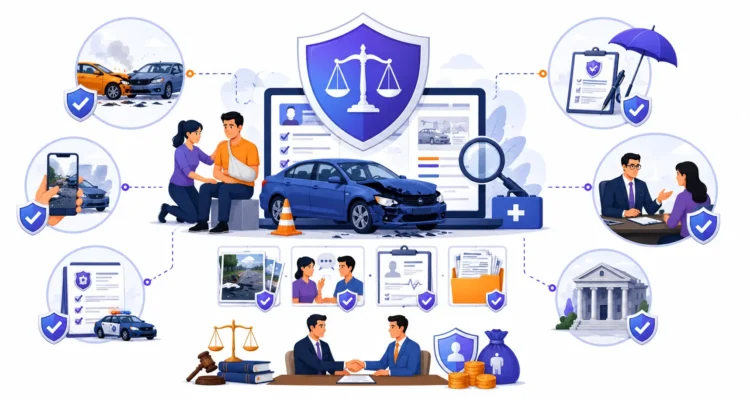
A serious vehicle collision can create medical, financial, insurance, and legal problems at the same time. This car accident legal resource center is designed to bring the most important information together in one place so you can understand what may happen after a crash and which questions deserve your attention.
The hours and days following an accident can be confusing. You may need medical treatment, vehicle repairs, insurance communication, documentation, time away from work, and answers about who was responsible. If the accident is serious or disputed, legal questions may also develop.
This car accident legal resource center does not assume that every accident requires a lawyer. Minor claims may sometimes be handled directly with insurers. However, serious injuries, disputed fault, large financial losses, unclear insurance coverage, or litigation can make professional legal assistance more important.
The American Bar Association identifies serious accidents involving personal injury or property damage, auto accidents, and insurance claims among common situations in which people may need legal assistance. This car accident legal resource center therefore focuses on both the insurance and legal sides of an accident.
For a broader overview of insurance, liability, claims, and asset protection, visit our complete Insurance and Legal Guide. If your main question is how to choose an attorney, see our Best Car Accident Lawyer guide.
Table of Contents
What Is a Car Accident Legal Resource Center?
A car accident legal resource center is a central guide that helps accident victims understand the major legal and insurance issues that may arise after a vehicle crash.
A useful car accident legal resource center should cover more than simply hiring an attorney. It should also explain:
- Immediate steps after an accident
- Medical and safety priorities
- How evidence may be preserved
- Insurance notification and claims
- Fault and negligence
- Potential damages
- When a lawyer may be useful
- How legal fees may work
- What to expect if a claim becomes disputed
The purpose of this car accident legal resource center is educational. Laws, filing deadlines, insurance requirements, negligence rules, and damages differ by jurisdiction, so specific legal advice must come from an appropriately licensed professional.
Car Accident Legal Resource Center: 9 Important Steps After a Crash
The first part of this car accident legal resource center focuses on the practical steps that may matter immediately after a collision.
1. Prioritize Safety and Medical Needs
Your first concern after a crash should be safety, not legal strategy.
If anyone is injured or appears to need urgent medical attention, contact emergency services according to local procedures. Move away from immediate danger if it is safe and lawful to do so.
Medical care should be based on health needs. Some injuries may not be obvious immediately, so significant symptoms should not be ignored.
A car accident legal resource center can explain later legal considerations, but personal safety always comes first.
2. Report the Accident When Required
Reporting requirements vary by jurisdiction and by the seriousness of the crash.
Some accidents must be reported to police or another government agency when injuries, fatalities, or significant property damage occur.
Follow applicable local rules rather than relying on general online advice.
3. Gather Basic Information
If it is safe and appropriate, collect information required under applicable law.
This may include:
- Driver names
- Contact information
- Vehicle details
- License plates
- Insurance information
- Witness contact details
The car accident legal resource center principle here is simple: accurate records can be far more useful later than relying on memory.
4. Document the Accident Scene
Evidence can become important when drivers or insurers disagree about what happened.
If conditions are safe, photographs or video may document:
- Vehicle positions
- Vehicle damage
- Road markings
- Traffic signs and lights
- Debris
- Weather conditions
- Road conditions
- Visible injuries where appropriate
NHTSA’s Special Crash Investigations program documents crash scenes using information such as impact evidence, vehicle damage, vehicle inspections, and interviews. Its Crash Investigation Sampling System also uses scene evidence, vehicle damage, interviews, and medical-record information when studying crashes.
Those federal investigations are not the same as a private legal claim, but they demonstrate why detailed crash evidence can matter.
5. Identify Witnesses
Independent witnesses may provide valuable information if the parties disagree about how the collision happened.
If possible, obtain witness contact information without pressuring anyone to make a particular statement.
6. Notify Your Insurance Company
Your insurance policy may contain requirements about when and how an accident must be reported.
Follow your policy and insurer’s instructions carefully.
If you need a basic explanation of policies, premiums, deductibles, claims, and coverage limits, start with our What Is Insurance? guide.
7. Preserve Important Documents
A good car accident legal resource center should emphasize record keeping.
Depending on the accident, potentially useful records may include:
- Crash reports
- Medical bills
- Medical records
- Repair estimates
- Vehicle photographs
- Towing receipts
- Rental-car expenses
- Insurance correspondence
- Employment and wage records
- Other accident-related receipts
8. Be Careful With Important Statements and Documents
Insurance and legal documents can have significant consequences.
Read settlement offers, releases, authorizations, and other important documents carefully before signing them. If you do not understand the effect of a document, consider obtaining qualified advice.
9. Consider Legal Help When the Case Becomes Serious
Not every case needs an attorney, but legal assistance may become more useful as the case becomes more complicated.
The ABA identifies serious accidents, auto accidents, and insurance claims among matters where legal help may be appropriate.
Our Best Car Accident Lawyer guide explains how to evaluate attorneys if you decide professional representation may be appropriate.
How Can a Car Accident Lawyer Help?
One of the most common questions readers bring to a car accident legal resource center is what a lawyer actually does.
The answer depends on the case, but an attorney may assist with several areas.
Evaluating Liability
A lawyer can review available evidence and determine which legal principles may apply.
Personal injury claims often involve negligence. The American Bar Association explains that negligence is the basis for liability in many personal injury cases, including claims arising from car accidents.
Gathering and Preserving Evidence
Evidence can include:
- Police reports
- Scene photographs
- Video footage
- Witness statements
- Medical records
- Vehicle inspections
- Repair documentation
- Employment records
- Electronic data where legally available
The goal is to create a reliable factual record of the accident, injuries, and financial consequences.
Communicating With Insurers
Insurance negotiations can become difficult when responsibility or the value of a claim is disputed.
A lawyer can communicate with insurers on behalf of the client where appropriate, review settlement proposals, and help explain the legal consequences of accepting an offer.
Evaluating Potential Damages
Another important topic in a car accident legal resource center is damages.
The ABA notes that personal injury cases generally involve the issues of liability and damages.
Potential losses can depend on applicable law and may involve:
- Medical expenses
- Lost income
- Property damage
- Future medical needs
- Other legally recoverable damages
No responsible article or attorney should promise that every category applies to every accident.
Negotiating a Settlement
Many personal injury disputes are resolved through settlement rather than trial.
The ABA explains that accepting a settlement generally means accepting money in exchange for ending the claim and releasing the other side from further liability concerning the matter.
That is why significant settlement documents should be understood before they are signed.
Filing a Lawsuit When Necessary
If negotiations do not resolve a claim, litigation may become an option depending on the facts and applicable law.
A lawyer may prepare pleadings, handle procedural requirements, obtain evidence through discovery, work with experts, negotiate, and represent the client in court.
Understanding Fault and Negligence After a Car Accident
Fault is one of the most important topics in this car accident legal resource center.
In many personal injury cases, legal responsibility depends on negligence.
Negligence generally concerns whether someone failed to exercise the degree of care required under the circumstances.
However, the rules for allocating fault vary significantly between jurisdictions.
Different states may use systems such as comparative or contributory negligence, and those rules can materially affect recovery.
A car accident legal resource center can explain the concept, but it cannot determine fault in a specific case without the facts and applicable law.
What Evidence Can Matter in a Car Accident Case?
Evidence deserves its own section in any serious car accident legal resource center.
Police or Crash Reports
An official crash report may contain details recorded by law enforcement or another investigating agency.
Photographs and Video
Images can preserve the appearance of vehicles, roadways, traffic controls, damage, and other conditions shortly after the crash.
Witness Statements
Witnesses may provide information about traffic movements, signals, vehicle behavior, or other relevant events.
Medical Documentation
Medical records can help document injuries, treatment, diagnoses, and expenses.
Vehicle Damage
Vehicle inspections, repair estimates, and photographs may help document the severity and location of damage.
Electronic Vehicle Data
Some vehicles contain event data recorders that record certain information related to crash events. NHTSA describes EDRs as devices that record information related to an event, including highway vehicle crashes.
Whether such information exists, can be accessed, or is legally relevant depends on the particular vehicle and case.
Employment Records
If an injury affects the ability to work, employment or wage documentation may become relevant where lost income is legally recoverable.
How Insurance Claims Fit Into a Car Accident Case
A car accident legal resource center should connect the legal claim with the insurance process because the two often overlap.
After an accident, several insurance questions may arise:
- Which policy applies?
- Who is insured?
- What limits are available?
- What deductibles apply?
- Is liability disputed?
- Are injuries covered?
- Does another insurer need to be notified?
The answers depend on the policies, jurisdiction, and facts.
For a broader discussion of insurance claims and legal protection, visit our Insurance and Legal Guide.
When Should You Consider Hiring a Lawyer?
Another key purpose of this car accident legal resource center is helping readers recognize when an accident has moved beyond a simple insurance matter.
Legal advice may be worth considering when:
- The accident caused serious injuries
- Fault is strongly disputed
- Several drivers or companies are involved
- A commercial vehicle is involved
- An insurer denies coverage
- A significant settlement is being discussed
- Future medical treatment may be required
- There is substantial lost income
- A lawsuit has been filed
- You do not understand your legal rights or deadlines
If you reach that point, use our Best Car Accident Lawyer guide to compare attorneys based on experience, communication, fees, licensing, and suitability for your case.
How to Choose a Car Accident Lawyer
This car accident legal resource center does not recommend a specific attorney or law firm. Instead, it provides factors you can use when comparing lawyers.
Consider:
- Relevant accident and personal-injury experience
- Licensing and professional standing
- Communication style
- Who will actually handle the case
- Fee structure
- Experience with insurance disputes
- Litigation capability
- Willingness to discuss weaknesses as well as strengths
The ABA advises that even a lawyer who was right for someone you know may not necessarily be the right lawyer for your particular legal problem.
How Do Car Accident Lawyer Fees Work?
Legal fees are another common concern for visitors to a car accident legal resource center.
Personal injury lawyers may use contingency-fee arrangements in cases involving claims for money. The ABA notes that contingent arrangements are commonly used in personal injury matters.
However, arrangements vary.
Before hiring a lawyer, ask:
- What percentage is charged?
- Are case costs separate?
- Who pays expert or filing expenses?
- What happens if the case does not result in recovery?
- Does the percentage change if litigation begins?
Read the written fee agreement carefully.
How Much Is a Car Accident Claim Worth?
No trustworthy car accident legal resource center should give every reader a fixed settlement number.
The value of a claim can depend on:
- The severity of injuries
- Medical expenses
- Need for future treatment
- Lost income
- Property damage
- Available insurance
- Strength of liability evidence
- Applicable state or local law
Two crashes that look similar can have very different outcomes.
Should You Accept an Insurance Settlement?
Settlement decisions can have lasting consequences.
The ABA explains that a settlement involves accepting compensation in exchange for giving up the action against the responsible party, typically through a release.
Before accepting a significant settlement, consider whether you understand:
- The extent of known injuries
- Potential future treatment
- Lost income
- Vehicle or property losses
- The wording of the release
- Whether additional claims will be barred
If the consequences are unclear, qualified legal advice may be appropriate.
What If You Cannot Afford a Lawyer?
A complete car accident legal resource center should also provide options for readers with limited financial resources.
USAGov provides information about free and low-cost legal aid, including resources such as Legal Services Corporation and LawHelp.org for eligible individuals.
The ABA also operates ABA Free Legal Answers, where qualifying users in participating jurisdictions can submit civil legal questions to volunteer attorneys.
Availability and eligibility vary, so check the requirements of each program.
Common Mistakes After a Car Accident
A practical car accident legal resource center should also highlight mistakes that can make an already difficult situation harder.
Ignoring Medical Symptoms
Health should come first. Seek appropriate medical care based on your symptoms and circumstances.
Failing to Preserve Evidence
Important information can disappear quickly after a crash.
Throwing Away Receipts and Records
Financial documentation can become relevant when proving accident-related expenses.
Signing Important Documents Without Understanding Them
Settlement releases and legal documents may affect future rights.
Assuming Fault Is Obvious
The legal allocation of responsibility can be more complicated than a person’s initial impression.
Missing Legal Deadlines
Claims and lawsuits may be subject to deadlines that vary by jurisdiction.
Car Accident Legal Resource Center FAQs
What is a car accident legal resource center?
A car accident legal resource center is a centralized educational guide covering post-accident steps, evidence, insurance claims, fault, legal representation, damages, settlements, and related legal issues.
Do I always need a lawyer after a car accident?
No. Some minor claims can be handled without formal representation. Legal assistance may become more useful when injuries, financial losses, liability disputes, insurance problems, or litigation are significant.
When should I contact a car accident lawyer?
You may want to consider legal advice after a serious accident, when fault is disputed, when an insurer denies a significant claim, or when you are uncertain about your rights or legal deadlines.
What evidence should I keep after an accident?
A car accident legal resource center commonly recommends preserving crash reports, photographs, witness details, insurance communications, medical records, repair estimates, receipts, and relevant employment records.
What does negligence mean in a car accident case?
Negligence generally concerns a failure to exercise legally required care. It is an important basis for liability in many personal injury cases, including vehicle accidents.
Can a lawyer negotiate with an insurance company?
Yes. An attorney may communicate and negotiate with an insurer on behalf of a represented client when appropriate.
How much compensation can I receive?
There is no universal amount. The outcome depends on the facts, damages, available coverage, applicable law, and strength of the evidence.
Should I accept the first settlement offer?
There is no universal answer. Consider whether the offer reflects the known losses and whether you understand any release before accepting it.
How do I choose a good accident attorney?
Look at relevant experience, licensing, communication, fees, who will handle the case, negotiation experience, and litigation capability. Our Best Car Accident Lawyer article provides a detailed checklist.
Where can I get affordable legal help?
USAGov lists legal-aid resources, while ABA Free Legal Answers may provide civil legal guidance to eligible people in participating jurisdictions.
Explore More Insurance and Accident Legal Resources
This car accident legal resource center is part of our wider Insurance & Legal content cluster. Continue with these related guides:
- Insurance and Legal Guide — our main pillar covering insurance, claims, liability, and legal protection.
- Best Car Accident Lawyer — how to compare attorneys after a serious accident.
- What Is Insurance? — understand premiums, deductibles, claims, limits, and coverage.
- Liability Insurance and Its Types — understand how liability protection works.
Final Thoughts
A well-organized car accident legal resource center should help you understand the accident process without pretending that every case is identical.
After a crash, safety and medical needs come first. Once immediate concerns are addressed, documentation, insurance communication, evidence preservation, and understanding fault can become increasingly important.
The car accident legal resource center approach is particularly useful because serious accidents often involve several systems at once: healthcare, insurance, vehicle repair, employment, and law.
If the accident involves major injuries, disputed responsibility, substantial financial losses, an insurance denial, or potential litigation, obtaining professional legal advice may help you understand your options.
Use this car accident legal resource center together with our Best Car Accident Lawyer guide and our main Insurance and Legal Guide to continue exploring the topic.
This article is provided for general educational purposes only and does not constitute legal advice. Laws, insurance requirements, negligence rules, filing deadlines, damages, and available remedies differ by jurisdiction and circumstances. Consult an appropriately licensed attorney for advice about a specific accident or claim.
