Life Of Mark Twain
Kamran Liaquat ali
- posted on
- No Comment
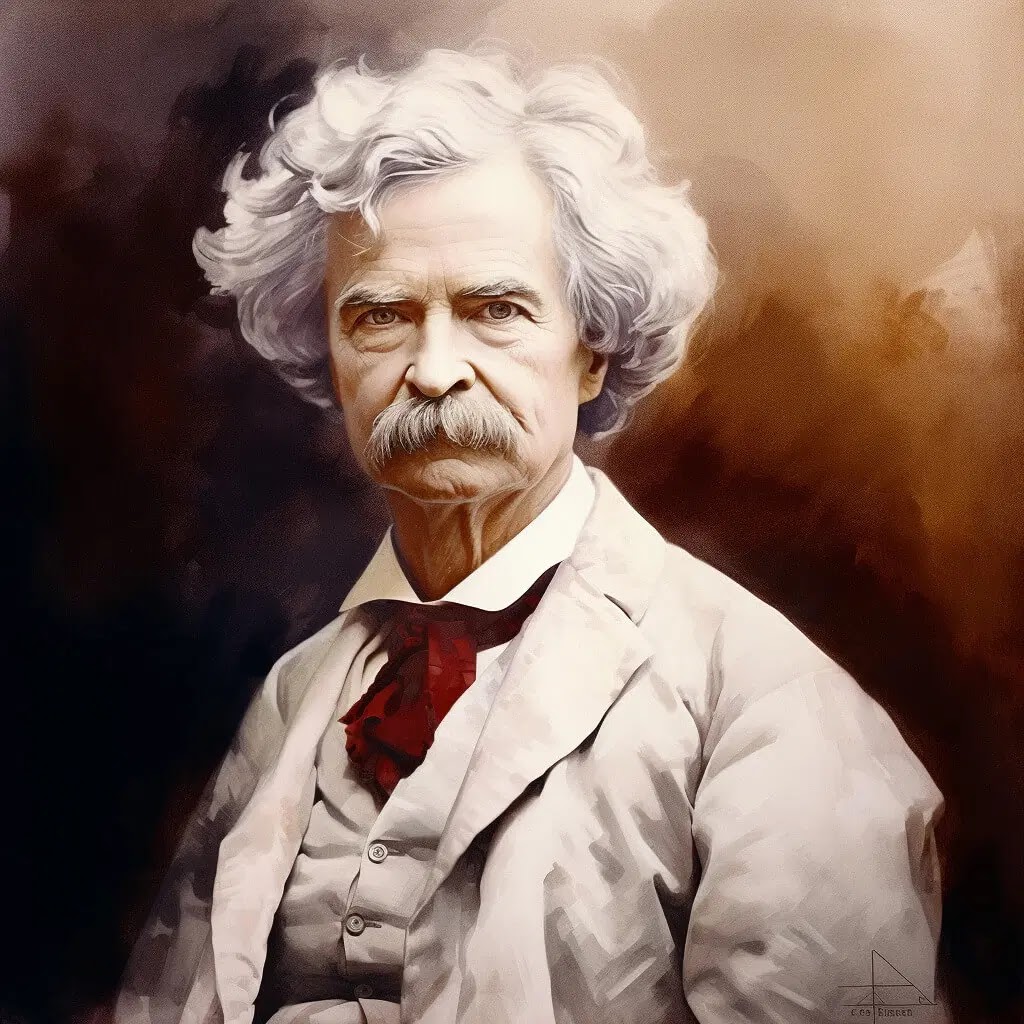
Mark Twain is one of the most loved writers in American history. His stories are still read today by children and adults around the world. He is known for his humor, simple language, and deep messages about life and society.
Even though he lived more than a century ago, his ideas still feel fresh and meaningful. His books continue to teach, entertain, and inspire new generations of readers.
Early Life: Growing Up Near the Mississippi River
Mark Twain was born as Samuel Langhorne Clemens on November 30, 1835, in Missouri. He spent much of his childhood near the Mississippi River. This river played a big role in his life and later became a key setting in many of his stories.
Life along the river was full of movement and adventure. Young Samuel watched steamboats, met travelers, and listened to local stories. These early experiences helped shape his imagination and writing style.
Adventures in Youth That Shaped His Writing
As a young man, Twain tried many different jobs. He worked as a printer’s apprentice and later became a riverboat pilot. This job gave him a deep understanding of the river and the people who lived along it.
These real-life adventures gave him rich material for his stories. Instead of writing from imagination alone, Twain wrote from experience. This made his characters feel real and his stories easy to connect with.
The Start of His Writing Career
Twain’s first major success came in 1865 with a short story called “The Celebrated Jumping Frog of Calaveras County.” The story was funny, simple, and easy to read. Readers loved its humor and unique voice.
This story made Twain famous almost overnight. It also showed the world his special talent for storytelling and humor.
Famous Books That Still Matter Today
Two of Twain’s most famous books are “The Adventures of Tom Sawyer” and “Adventures of Huckleberry Finn.” These novels focus on young boys growing up in small towns along the Mississippi River.
The stories are full of friendship, freedom, and adventure. They also explore serious topics like honesty, courage, and right versus wrong. Because of this mix, the books are both fun and meaningful.
Humor With a Purpose
Mark Twain did more than tell funny stories. He used humor to talk about serious problems in society. Through simple words and clever jokes, he spoke about slavery, unfair treatment, and human behavior.
His writing made people laugh, but it also made them think. This balance between humor and truth is one reason his work is still respected today.
A Lasting Influence on Literature
Twain’s writing style was different from many writers of his time. He used everyday language instead of complex words. This made his books easy to read and widely popular.
Many modern writers have learned from his style. His influence can be seen in American literature, education, and even popular culture.
Legacy and Remembrance
Mark Twain passed away on April 21, 1910. Even after his death, his books never faded from public interest. Schools still teach his stories, and readers continue to discover his work.
He is remembered as a writer who understood people deeply and wrote about them honestly.
Final Thoughts
Mark Twain’s legacy lives on through his timeless stories and powerful ideas. His ability to combine humor with truth makes his writing special and lasting.
Through simple words and strong messages, he left a mark on literature that will continue for many years to come. His work reminds us that good stories never grow old.
