Photosynthetic Bacteria: Nature’s Green Machines
Kamran Liaquat ali
- posted on
- No Comment
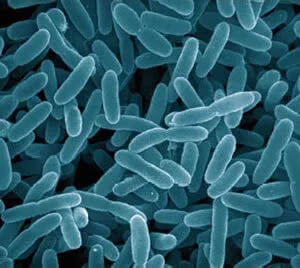
Photosynthetic
bacteria, also known as photoautotrophs, are a diverse group of microorganisms
capable of harnessing light energy to produce organic compounds from inorganic
substances. While often overshadowed by their plant counterparts, these
microscopic marvels play a crucial role in various ecosystems and have
significant implications for both environmental and biotechnological
applications.
Types
of Photosynthetic Bacteria
There
are several types of photosynthetic bacteria, each with its unique
characteristics and ecological niches. Cyanobacteria, commonly referred to as
blue-green algae, are among the most well-known and abundant photosynthetic
bacteria. Additionally, purple and green sulfur bacteria are prevalent in
anaerobic environments such as freshwater lakes and marine sediments.
Mechanism
of Photosynthesis in Bacteria
Photosynthetic
bacteria utilize a similar mechanism to plants and algae to convert light
energy into chemical energy. During the light-dependent reactions, light energy
is absorbed by pigments such as chlorophyll, triggering the transfer of
electrons and the generation of ATP and NADPH. These energy-rich molecules are
then used to drive the Calvin cycle, where carbon dioxide is fixed and
converted into organic molecules.
Ecological
Roles of Photosynthetic Bacteria
Photosynthetic
bacteria play a vital role in ecosystem dynamics and biogeochemical cycles. By
releasing oxygen as a byproduct of photosynthesis, cyanobacteria contribute to
the oxygenation of aquatic environments and are essential for the survival of
aerobic organisms. Additionally, certain species of photosynthetic bacteria are
capable of nitrogen fixation, converting atmospheric nitrogen into a form that
can be utilized by plants and other organisms.
Applications
of Photosynthetic Bacteria
Beyond
their ecological significance, photosynthetic bacteria have garnered attention
for their potential applications in various fields. In bioremediation, certain
species of photosynthetic bacteria are used to degrade organic pollutants and
detoxify contaminated environments. Moreover, researchers are exploring the use
of photosynthetic bacteria in biofuel production, leveraging their ability to
convert sunlight and carbon dioxide into renewable energy sources.
Challenges
and Limitations
While
photosynthetic bacteria hold promise for addressing environmental challenges
and advancing biotechnological innovations, they also face several challenges
and limitations. Environmental factors such as temperature, pH, and nutrient
availability can influence the growth and productivity of photosynthetic
bacteria. Furthermore, competition with other microorganisms and predators can
affect their abundance and distribution in natural ecosystems.
Future
Prospects
Despite
these challenges, the future prospects for photosynthetic bacteria are
promising, driven by ongoing advancements in biotechnology and environmental
science. Researchers are exploring novel biotechnological applications for
photosynthetic bacteria, including the development of sustainable agricultural
practices and the production of renewable energy sources. By harnessing the
potential of these microscopic green machines, we can pave the way towards a
more sustainable and eco-friendly future.
Conclusion
In
conclusion, photosynthetic bacteria are fascinating organisms that play a
crucial role in shaping the dynamics of ecosystems and driving biogeochemical
cycles. From their ability to produce oxygen and fix nitrogen to their
potential applications in bioremediation and biofuel production, photosynthetic
bacteria are true champions of sustainability and innovation. By understanding
and harnessing the power of these microscopic marvels, we can unlock new
solutions to pressing environmental challenges and build a brighter future for
generations to come.
FAQs
Can
photosynthetic bacteria survive in extreme environments?
Yes,
certain species of photosynthetic bacteria are adapted to thrive in extreme
environments such as hot springs and deep-sea hydrothermal vents.
Are
photosynthetic bacteria harmful to humans?
While
most photosynthetic bacteria are harmless or beneficial, some species can
produce toxins that pose risks to human health if ingested or exposed to.
How
do photosynthetic bacteria contribute to global warming?
Photosynthetic
bacteria can contribute to global warming by releasing greenhouse gases such as
methane during their metabolic processes.
Can
photosynthetic bacteria be genetically modified?
Yes,
researchers are exploring genetic engineering techniques to modify
photosynthetic bacteria for various biotechnological applications, such as
enhancing their efficiency in biofuel production.
Are
photosynthetic bacteria found only in aquatic environments?
No,
while many photosynthetic bacteria inhabit aquatic environments, they can also
be found in soil, rocks, and other terrestrial habitats.
