The Phenomenon of Light Bending
Kamran Liaquat ali
- posted on
- No Comment
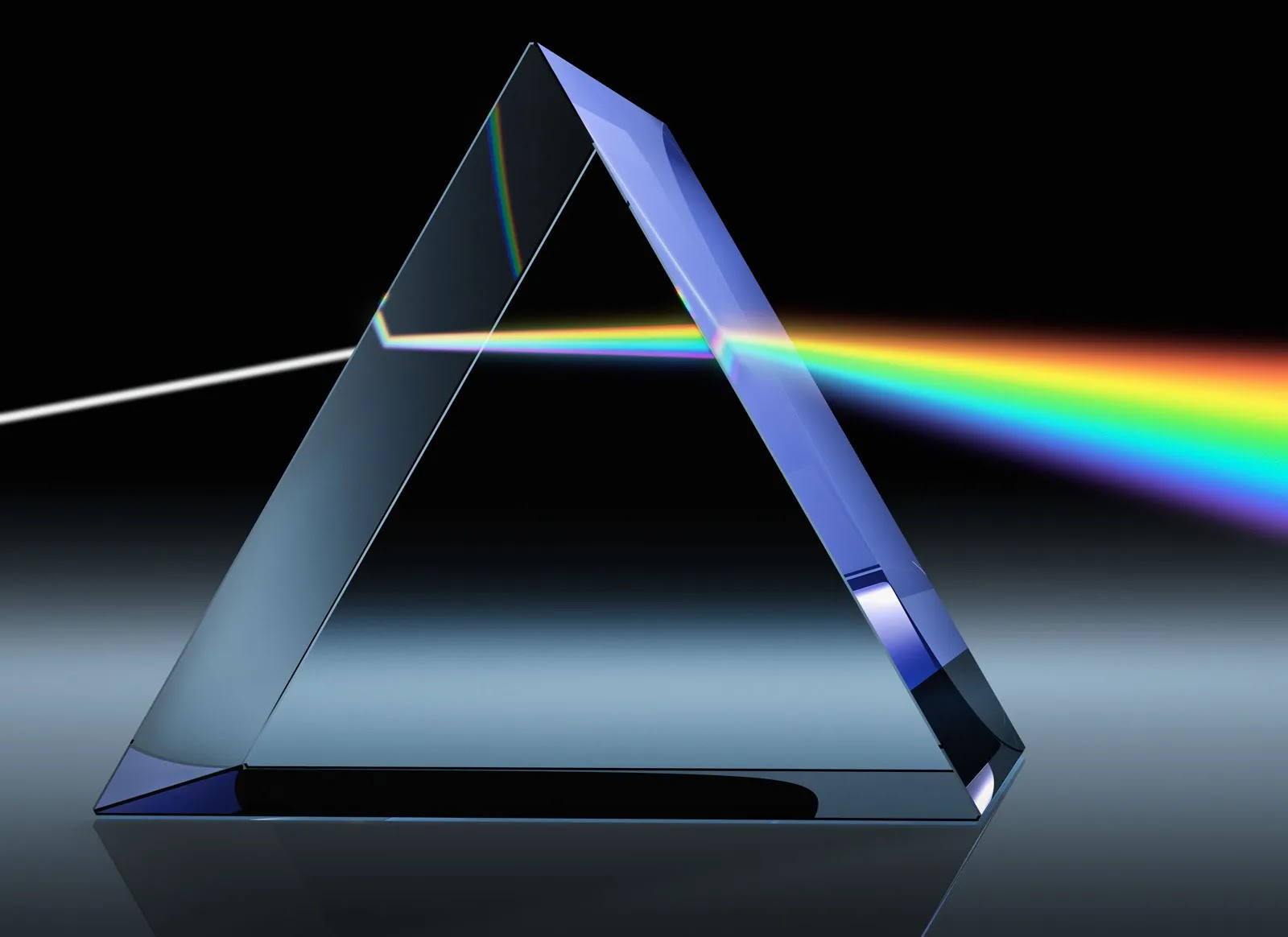
Refraction is a fascinating phenomenon observed when light
travels through different mediums, causing it to change direction. This bending
of light is a fundamental aspect of optics and plays a crucial role in various
natural phenomena and everyday applications.
Understanding the Phenomenon
Refraction occurs when light transitions from one medium to
another, such as air to water or glass. It happens because light travels at
different speeds in different mediums, causing it to change direction as it
enters a new medium. The degree of bending depends on the angle at which the
light enters the new medium and the difference in refractive indices between
the two mediums.
Applications of Refraction
Refraction has numerous practical applications in fields such
as optics, photography, and even meteorology. One of the most common
applications is in lenses, where the bending of light allows for the focusing
of images in cameras, microscopes, and eyeglasses. Additionally, refraction
plays a role in the formation of mirages, rainbows, and the dispersion of light
through prisms.
Real-life Examples of Refraction
In everyday life, we encounter examples of refraction
regularly. When a pencil is placed in a glass of water, it appears bent due to
the refraction of light as it passes from water to air. Similarly, objects
underwater may appear closer or larger than they actually are due to the
bending of light rays. These phenomena demonstrate the principles of refraction
in action.
Importance in Nature and Everyday Life
Refraction is not only a scientific phenomenon but also an
essential aspect of our daily experiences. It contributes to optical illusions,
such as the apparent bending of objects in water or the formation of rainbows
in the sky. Moreover, the correction of vision through eyeglasses and contact
lenses relies on the principles of refraction to focus light onto the retina.
Historical Discoveries and Contributions
The understanding of refraction has evolved over centuries,
with notable contributions from scholars such as Ibn Sahl, Alhazen, and René
Descartes. Ibn Sahl and Alhazen made significant advancements in understanding
the mathematics of refraction, while Descartes formulated the laws governing
the behavior of light as it passes through different mediums. These
foundational discoveries paved the way for modern advancements in optics and
lens technology.
Challenges and Limitations
Despite its many applications, refraction also presents
challenges and limitations, particularly in the design of optical systems.
Aberrations in lenses can distort images, while dispersion of light can lead to
color fringing and other optical artifacts. Additionally, environmental factors
such as temperature and humidity can affect the refractive properties of
materials, posing challenges in certain applications.
Future Trends and Innovations
Advancements in technology continue to expand our
understanding of refraction and its potential applications. From the
development of more precise and efficient lens designs to innovations in
virtual reality and augmented reality, refraction remains a focal point of
research and innovation. Moreover, there is growing interest in exploring
sustainable solutions in optics, ensuring that future developments are
environmentally friendly and socially responsible.
Conclusion
In conclusion, refraction is a fascinating phenomenon with
widespread implications in science, technology, and everyday life. From its
role in forming rainbows to its applications in lens design and vision
correction, refraction shapes our perception of the world and drives innovation
in various fields. As our understanding of refraction continues to evolve, so
too will its impact on society and the way we interact with light.
Frequently Asked Questions (FAQs)
1.What causes refraction to occur?
Refraction occurs when light travels through different
mediums at different speeds, causing it to change direction.
2.How does refraction contribute to the formation of rainbows?
Refraction plays a crucial role in the formation of rainbows
by separating sunlight into its component colors as it passes through water
droplets in the atmosphere.
3.Can refraction affect vision correction?
Yes, refraction is essential in vision correction, as it
allows for the precise focusing of light onto the retina through eyeglasses,
contact lenses, and corrective surgery.
4.Are there any limitations to refraction in optical systems?
Yes, aberrations in lenses and dispersion of light are common
challenges in optical systems that can distort images and affect performance.
5.What are some future trends in refraction research and
innovation?
Future trends in refraction research include advancements in
lens technology, applications in virtual reality and augmented reality, and the
exploration of sustainable solutions in optics.
