Home Maintenance Checklist: 12 Powerful Tasks
 Kamran Liaquat Ali
- posted on
- No Comment

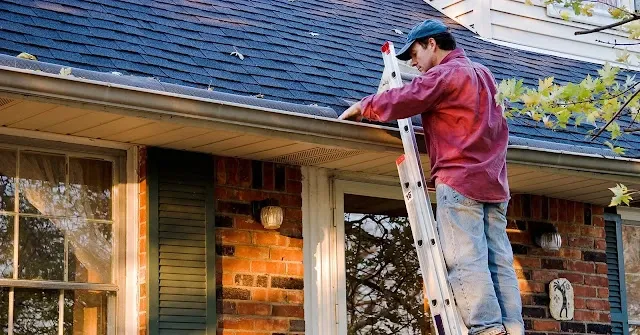
A practical home maintenance checklist helps you prevent expensive repairs, protect household safety and keep essential systems working efficiently. Instead of waiting for something to fail, inspect a few high-risk areas each month, complete weather-related tasks each season and schedule professional service when specialist tools or licensing are required. This guide organizes the work into a realistic routine for homeowners and renters.
Table of Contents
Quick Answer: What Home Maintenance Matters Most?
The most important maintenance tasks are finding water leaks early, testing smoke and carbon-monoxide alarms, replacing HVAC filters when required, keeping gutters and drains clear, checking roofs and exterior seals, servicing heating and cooling equipment, and watching for electrical or structural warning signs. Start with safety and water intrusion because delays in those areas can create the greatest damage.
Use this article as a working home maintenance schedule, but adapt it to your climate, building age, equipment manuals and local regulations. Renters should report building defects promptly and avoid repairs that belong to the landlord. Homeowners should hire qualified professionals whenever a task involves gas, energized electrical components, major roofing, structural movement or hazardous materials.
This checklist is part of our broader home and lifestyle buying guide, which explains how to choose durable products, compare total ownership cost and avoid purchases that are difficult to maintain.
Why Preventive Home Maintenance Saves Money
Preventive home maintenance replaces emergency reactions with small, planned actions. A loose seal is cheaper to correct before rain reaches insulation. A slow pipe leak is easier to repair before it damages flooring. A dirty filter is simpler to replace before airflow problems strain heating or cooling equipment.
Maintenance also creates useful information. When you record dates, readings and photographs, you can see whether a stain is expanding, a utility bill has changed unexpectedly or an appliance is becoming noisier. Those observations help professionals diagnose problems and help owners plan replacements instead of making rushed decisions.
Maintenance is not the same as renovation
Maintenance preserves function and controls risk. Renovation changes appearance, layout or performance. Replacing a worn washer, cleaning a drain cover and resealing a small exterior gap are maintenance. Redesigning a bathroom or replacing serviceable cabinets is renovation. Keep these budgets separate so cosmetic projects do not consume money reserved for safety and repairs.
Monthly Home Maintenance Checklist
A short monthly home maintenance inspection can be completed in less than an hour. Choose the same date each month and walk through the property in a consistent order.
Test alarms and review safety equipment
Test smoke alarms according to their manufacturer instructions and replace batteries or units when required. NFPA safety material recommends monthly smoke-alarm testing; its smoke-alarm reminder can help households maintain the habit. Test carbon-monoxide alarms as directed, check extinguisher indicators and keep exits unobstructed.
Do not rely only on a button test if a device is visibly damaged, expired or located incorrectly. Follow local fire-safety rules and the product manual. Replace any alarm that fails a test or shows an end-of-life signal.
Look for water leaks and moisture
Inspect beneath sinks, around toilets, near water heaters, behind accessible appliances and below visible supply lines. Look for droplets, swollen cabinet material, mineral deposits, musty odors, discoloration and unexpected meter movement. The EPA WaterSense home maintenance guidance recommends regular leak checks because leaks can waste water and damage a home.
Confirm that drains empty normally and toilets stop running after flushing. A higher water bill without an obvious change in use can justify a deeper investigation. Shut off water and contact a plumber when leakage is active, concealed or near electrical equipment.
Check HVAC filters and airflow
Inspect the filter on the interval stated by the equipment and filter manufacturer. Replacement frequency varies with filter type, system design, pets, dust and operating hours. Use the correct dimensions and airflow direction. Never install a more restrictive filter unless the system is designed for it.
Notice weak airflow, unusual noise, burning smells, water near the indoor unit or rooms that no longer reach the set temperature. These symptoms need diagnosis rather than repeated filter changes.
Inspect kitchen and laundry appliances
Clean accessible lint from the dryer filter after every load and inspect the surrounding area monthly. Check washing-machine and dishwasher connections for moisture, cracks or corrosion without disturbing secure fittings. Clean range-hood filters according to the manual and keep refrigerator ventilation areas free of heavy dust.
Seasonal Home Maintenance by Time of Year
Seasonal home maintenance prepares the property for changing temperature, rain, wind and outdoor growth. The exact month depends on location, so schedule each group before the relevant weather arrives.
Spring tasks
- Inspect the roof from the ground for missing, lifted or damaged materials.
- Check gutters, downspouts and surface drains for blockage or separation.
- Look for winter damage around exterior walls, steps, decks and paving.
- Confirm that soil and hard surfaces direct water away from the foundation where appropriate.
- Test outdoor faucets and irrigation components for freeze damage or leaks.
- Service cooling equipment before the first period of heavy use.
- Repair damaged insect screens and inspect exterior door seals.
Use binoculars or photographs rather than climbing onto a roof without training and fall protection. Sagging surfaces, active leaks, damaged flashing and widespread material loss require a roofing professional.
Summer tasks
- Monitor cooling performance and keep outdoor equipment clear according to the manual.
- Inspect decks, rails, stairs and outdoor furniture for movement, rot or corrosion.
- Trim vegetation away from buildings while respecting utility and fire-safety guidance.
- Check irrigation patterns so water does not repeatedly soak walls or foundations.
- Inspect window and door screens, locks and weather seals.
- Watch basements, crawl spaces and bathrooms for humidity or condensation.
Heat can reveal electrical and cooling problems. Flickering, hot outlets, repeated breaker trips, arcing sounds or persistent burning odors need prompt professional attention. Do not open energized panels or bypass protective devices.
Autumn tasks
- Service heating equipment before cold weather.
- Clear gutters after leaves have fallen and confirm downspout discharge.
- Inspect chimneys, vents and flues through an appropriate qualified service.
- Seal small exterior gaps with compatible materials where movement is not structural.
- Drain or protect outdoor water systems as required by the local climate.
- Check weatherstripping and replace damaged sections.
- Prepare emergency lighting, safe heating plans and winter supplies.
Combustion appliances require special care. Yellow flames, soot, unusual odors, headaches around operating equipment or alarm activation are not routine maintenance issues. Leave the area when necessary and follow emergency and utility guidance.
Winter tasks
- Monitor exposed plumbing and vulnerable areas during freezing weather.
- Keep exhaust outlets, meters and outdoor equipment clear when safe to do so.
- Check attics and upper ceilings for moisture, staining or ice-related leakage.
- Use only approved heating equipment with required clearance.
- Inspect door and window condensation and manage indoor humidity.
- Review emergency shutoff locations with household members.
Never use an oven, grill or outdoor combustion appliance to heat indoor space. If a pipe freezes, avoid open flames and seek qualified help when the location or condition is uncertain.
Annual Home Maintenance Checklist
Annual home maintenance covers systems that need deeper inspection, cleaning or professional service. Spread these tasks across the year instead of attempting everything on one weekend.
Roof, drainage and exterior envelope
Inspect roofing, flashing, sealant joints, siding, masonry, penetrations and drainage components. Look for cracks, gaps, staining, loose materials and vegetation contact. Photograph the same areas each year so gradual movement becomes easier to identify.
Plumbing and water heating
Visually inspect accessible pipes, shutoff valves and appliance connections. Exercise valves only when the manufacturer or plumber recommends it and when you understand the risk of an old valve failing. Water-heater maintenance varies by type, water chemistry and manufacturer, so follow the manual or hire a qualified technician.
Know the location of the main water shutoff and confirm that household members can identify it. Do not operate unfamiliar communal or utility-owned controls.
Heating, cooling and ventilation
Arrange service at intervals appropriate to the equipment and local requirements. A technician can check controls, drainage, combustion safety where applicable and system condition. Clean bathroom and kitchen exhaust components that are intended for user maintenance, and confirm that air discharges outdoors rather than into enclosed building cavities.
Electrical condition
Use the annual walkthrough to identify damaged cords, loose cover plates, overloaded extension arrangements and equipment that runs unusually hot. Test user-testable protective devices according to their instructions. Any panel work, new circuit, damaged fixed wiring or repeated protection trip belongs with a licensed electrician.
Structure and pest evidence
Check accessible foundations, walls, floors, stairs and roof spaces for new cracks, deflection, moisture, wood damage, droppings or insect activity. Small cosmetic cracks can be harmless, but widening cracks, doors suddenly binding, sloping changes or displaced structural components warrant professional evaluation.
Room-by-Room Home Maintenance Tips
Kitchen
Check sink plumbing, faucet bases, appliance hoses, cabinet floors and seals. Clean grease from approved surfaces and maintain ventilation. Keep combustible items away from cooking heat, and replace damaged power cords rather than taping them.
When purchasing replacements, use the comparison principles in our best kitchen gadgets buying guide: prioritize safety, cleanability, available parts and genuine usefulness over novelty.
Bathrooms
Inspect grout, sealant, supply connections, toilet bases and ventilation. Soft flooring, recurring mold, loose tiles or staining on the ceiling below can indicate concealed moisture. Surface cleaning does not solve a continuing water source.
Bedrooms and living areas
Check windows, locks, furniture stability, cords and alarm coverage. Keep heaters and vents unobstructed. Secure tall furniture where appropriate, especially in homes with children or earthquake risk.
Garage, basement and utility spaces
Keep chemicals labeled and stored according to instructions. Do not store fuel or incompatible materials near ignition sources. Inspect garage-door safety features using the manufacturer procedure, and keep electrical panels and shutoffs accessible.
How to Build a Home Maintenance Schedule
A useful home maintenance schedule is specific enough to prompt action but simple enough to follow. Good home maintenance records can use a calendar, spreadsheet or notebook with five fields: task, location, frequency, last completion and next due date.
- List assets: record major systems, appliances, alarms, roof type and drainage components.
- Collect manuals: use model-specific instructions instead of generic intervals.
- Assign frequency: separate monthly, seasonal, annual and condition-based work.
- Record evidence: save receipts, photographs, service notes and warranty details.
- Set a reserve: plan for predictable replacement rather than treating every failure as unexpected.
- Review annually: adjust the list after repairs, new equipment or climate events.
Do not create dozens of reminders with no priority. Mark safety, active water and electrical symptoms as urgent; routine cleaning and appearance can follow. This keeps preventive home maintenance manageable.
DIY Tasks Versus Professional Repairs
Simple visual inspection, accessible cleaning and manufacturer-approved home maintenance are reasonable DIY tasks for many people. Stop when a task requires opening fixed electrical equipment, working at unsafe height, disturbing suspected asbestos or lead materials, handling refrigerant, altering gas systems or diagnosing structural movement.
Call a professional when you notice
- Active or concealed water leakage that cannot be isolated safely.
- Repeated breaker trips, sparks, hot outlets or burning odors.
- Gas odor, soot, combustion problems or carbon-monoxide alarm activation.
- Major roof damage, unsafe access or significant storm impact.
- Widening cracks, sagging, displaced framing or foundation movement.
- Persistent mold or moisture covering a large or hidden area.
- Equipment under warranty that requires authorized service.
Price should not be the only selection factor. Verify licensing where required, insurance, written scope, warranty and responsibility for permits. Obtain multiple quotes for planned work, but use emergency services when delay creates immediate risk.
Common Home Maintenance Mistakes
Ignoring small moisture signs
A small stain or musty odor can be the first visible sign of a larger concealed problem. Document it, find the source and recheck after repair.
Using incompatible sealants or parts
A material that looks correct may not bond, move or tolerate temperature as required. Match product specifications to the surface and application.
Replacing parts without diagnosing the cause
A repeatedly failed component may be responding to pressure, heat, vibration or an installation problem. Continued replacement can hide the real fault.
Doing unsafe work to save money
Falls, electrical shock, fire and hazardous-material exposure cost far more than qualified service. A good home maintenance checklist includes clear limits, not just a longer task list.
Keeping no records
Without dates and photographs, owners forget what was serviced and cannot track progression. Records also support warranties, insurance discussions and future buyers.
Frequently Asked Questions
How often should home maintenance be done?
Complete a short safety and leak check monthly, weather-related work seasonally and deeper system reviews annually. Equipment manuals and local conditions may require different intervals.
What should be first on a home maintenance checklist?
Start with life safety, active water, electrical warning signs, gas or combustion concerns and structural instability. Routine efficiency and appearance come afterward.
How much should homeowners budget for maintenance?
No single percentage works for every property. Age, size, climate, construction, equipment and deferred work change the amount. Build an asset list, estimate remaining life and keep an accessible emergency reserve.
Can renters use this checklist?
Yes. Renters can test user-maintained alarms when allowed, watch for leaks and document defects. They should follow the lease and report owner-responsibility repairs rather than modifying building systems.
What maintenance increases home value?
Controlling water, preserving the exterior, maintaining safe systems and keeping service records usually matter more than cosmetic trends. Buyers value evidence that essential components were cared for.
Is a digital maintenance app necessary?
No. A calendar or spreadsheet is sufficient if it records tasks and dates reliably. Use the simplest system that household members will maintain.
One-Hour Home Maintenance Routine
If a long checklist feels overwhelming, use this one-hour home maintenance routine once a month. It does not replace qualified service, but it keeps the most visible risks from being forgotten. Carry a phone or notebook, a flashlight and the manuals for any alarm or appliance you intend to check.
- First 10 minutes: test user-testable alarms, check extinguisher indicators and confirm that exits and important shutoffs remain accessible.
- Next 15 minutes: inspect beneath sinks, around toilets, near the water heater and beside accessible appliance hoses for moisture, corrosion or staining.
- Next 10 minutes: inspect the HVAC filter, listen for unusual equipment noise and look for blocked vents or unexpected condensation.
- Next 10 minutes: walk around the exterior from ground level and check drainage, roof edges, walls, steps and vegetation contact.
- Next 10 minutes: inspect the kitchen, laundry and bathroom for damaged cords, leaks, blocked ventilation and loose fittings.
- Final 5 minutes: record findings, assign urgent actions and schedule any professional visit.
Photograph anything that may change over time and label the image with the location and date. During the next routine, compare it with the earlier image. This simple habit makes gradual cracks, stains, corrosion and seal failure easier to recognize.
Do not turn the one-hour routine into rushed repair work. Its purpose is detection and planning. If you find active water, electrical heat, a gas odor, structural movement or an unsafe access point, stop and follow the appropriate emergency or professional procedure.
Final Thoughts
A reliable home maintenance checklist turns a large responsibility into small repeatable actions. Check safety devices and moisture monthly, prepare systems for seasonal weather, schedule annual inspections and record what you complete. Addressing early warning signs protects both the property and the people who use it.
Keep the plan realistic, follow equipment manuals and respect the boundary between safe DIY care and professional work. For help comparing tools, household products and long-term ownership value, return to the home and lifestyle buying guide. You can also review our mechanical pencils guide for another example of choosing maintainable everyday equipment.
