Humanoid Cell Technology in 2026: A Simple Guide to the Future of Healthcare
Kamran Liaquat ali
- posted on
- No Comment
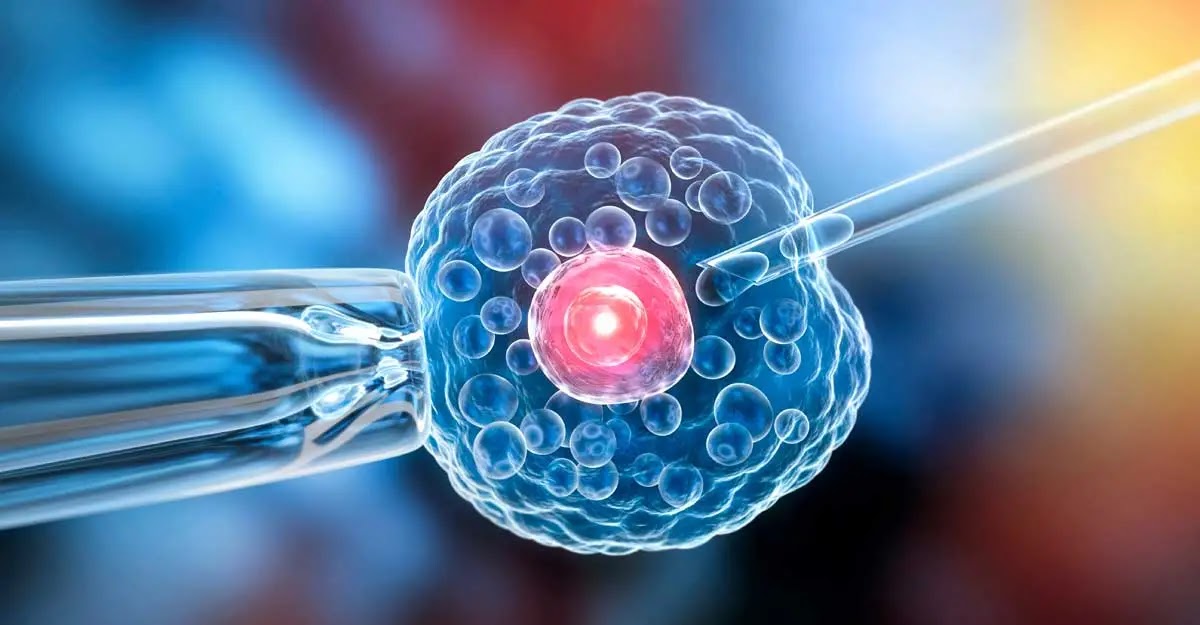
Healthcare is changing fast. Every year, new technology helps doctors treat diseases in better ways. One of the most exciting ideas in 2026 is humanoid cell technology.
This technology focuses on creating cells that act like real human cells. These cells help scientists study diseases, test medicines, and even grow new tissues. Many experts believe humanoid cell technology can change healthcare in powerful ways.
This guide explains humanoid cell technology in a simple way. You do not need a science background to understand it.
What Is Humanoid Cell Technology?
Humanoid cell technology means creating lab-grown cells that behave like human cells.
These cells are not robots. They are living cells made using modern science. Scientists design them to copy how real human cells work inside the body.
These humanoid cells can:
-
React like human cells
-
Respond to medicines
-
Copy disease behavior
-
Help test treatments safely
In 2026, this technology is used in research labs, hospitals, and medical studies.
Why Scientists Create Humanoid Cells
Testing new medicine on humans is risky. Testing on animals does not always give correct results.
Humanoid cells solve this problem.
They allow scientists to:
-
Study diseases safely
-
Test drugs without harming people
-
Get more accurate results
-
Save time and money
Because these cells act like real human cells, results are often more reliable.
How Humanoid Cells Are Made
Scientists create humanoid cells in special labs.
Here is a simple explanation:
-
Cells are taken from human tissue
-
These cells are reprogrammed
-
Scientists guide them to act like specific human cells
-
The cells grow in controlled environments
In 2026, advanced tools and AI systems help scientists grow cells faster and safer.
Types of Humanoid Cells
There are many types of humanoid cells. Each type has a special role.
Some common types include:
-
Heart cells
-
Brain cells
-
Liver cells
-
Skin cells
-
Muscle cells
Each type helps study different parts of the human body.
How Humanoid Cell Technology Helps Healthcare
Humanoid cell technology is used in many areas of healthcare.
Drug Testing and Development
One of the biggest uses is drug testing.
Before a drug reaches patients, it must be tested. Humanoid cells allow scientists to see how a drug affects human cells.
This helps:
-
Reduce side effects
-
Improve drug safety
-
Speed up approvals
-
Lower testing costs
In 2026, many drug companies rely on humanoid cells.
Personalized Medicine
Every person is different. One treatment does not work the same for everyone.
Humanoid cell technology supports personalized medicine.
Doctors can:
-
Create cells from a patient’s own tissue
-
Test different treatments
-
Choose the best option
This leads to better results and fewer risks.
Studying Diseases
Some diseases are rare and hard to study.
Humanoid cells help scientists:
-
Study genetic diseases
-
Understand cancer growth
-
Learn how infections spread
-
Test treatments safely
This is especially useful for diseases with few patients.
Regenerative Medicine
Regenerative medicine focuses on repairing damaged tissues.
Humanoid cells may help:
-
Grow new skin for burn patients
-
Repair heart tissue
-
Replace damaged organs
-
Heal spinal injuries
In 2026, research in this field is growing quickly.
Benefits of Humanoid Cell Technology
This technology offers many benefits.
Safer Medical Research
Testing on humanoid cells is safer than testing on people.
It lowers risk and improves trust in new treatments.
Faster Medical Progress
Research moves faster when results are clear.
Humanoid cells help scientists work more efficiently.
Fewer Animal Tests
Humanoid cells reduce the need for animal testing.
This supports ethical research practices.
Better Treatment Results
Doctors can test treatments before using them on patients.
This improves success rates and patient care.
Challenges and Limits
Like all technology, humanoid cell technology has challenges.
High Cost
Creating humanoid cells can be expensive.
Labs need special tools and skilled experts.
Ethical Questions
Some people worry about:
-
Cell ownership
-
Consent
-
Data privacy
-
Fair access
Clear rules and laws are needed.
Technical Limits
Not all cells behave exactly like real human organs.
Scientists continue to improve accuracy.
Humanoid Cell Technology in 2026
In 2026, technology makes this field stronger.
New tools include:
-
AI-assisted cell growth
-
3D tissue printing
-
Smart lab systems
-
Better safety controls
These tools help reduce errors and improve results.
How This Technology May Change the Future
Experts believe humanoid cell technology will shape the future of medicine.
Possible future uses include:
-
Organ replacement
-
Disease prevention
-
Faster cures
-
Longer life expectancy
Healthcare may become more personal and effective.
Simple Comparison: Humanoid Cells vs Stem Cells
Many people confuse these two.
Here is a simple difference:
Stem cells
-
Can turn into many cell types
-
Are used as starting material
Humanoid cells
-
Are already shaped like human cells
-
Are designed for specific tasks
Both are important in medical science.
Common Questions About Humanoid Cell Technology
Are humanoid cells alive?
Yes. They are living cells grown in labs.
Are humanoid cells used in hospitals?
Some are used in testing and research. Clinical use is growing.
Do humanoid cells replace human testing?
They reduce the need but do not fully replace it yet.
Are humanoid cells safe?
Yes, when used under strict rules.
Will this technology become affordable?
Experts believe costs will drop over time.
Why This Technology Matters to Everyone
Even if you are not a scientist, this technology affects you.
It can:
-
Improve medicine safety
-
Reduce treatment risks
-
Speed up cures
-
Save lives
Better healthcare benefits all people.
Final Thoughts
Humanoid cell technology is changing healthcare in 2026.
It helps scientists understand the human body better. It makes medicine safer, faster, and more personal.
While challenges remain, the benefits are strong. With careful use and ethical rules, this technology can improve health around the world.
The future of healthcare is not just digital. It is cellular, human-like, and full of promise.
