Microorganisms in Your Food: Their Role in Nutrition and Health in 2026
Kamran Liaquat ali
- posted on
- No Comment
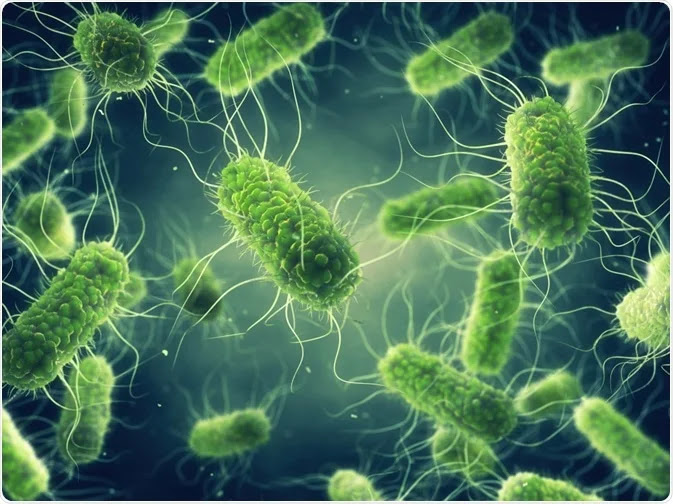
When you eat yogurt, bread, cheese, or pickles, you are not eating alone. Your food contains tiny living things called microorganisms. These microorganisms are too small to see, but they play a very big role in the food we eat every day.
In 2026, people are more aware of food quality, gut health, and nutrition than ever before. Microorganisms are now seen as helpers, not just germs. They help make food tastier, healthier, and safer.
This article explains what microorganisms in food are, how they work, and why they are important for nutrition and health.
What Are Microorganisms?
Microorganisms are very small living things. You need a microscope to see them.
Common types of microorganisms in food include:
-
Bacteria
-
Yeast
-
Molds
Some microorganisms are helpful. Others can spoil food or cause illness. Knowing the difference is important.
Why Microorganisms Are Important in Food
Microorganisms help food in many ways. They are used to:
-
Make food last longer
-
Improve taste and texture
-
Increase nutrition
-
Support digestion and gut health
Many traditional foods around the world exist because of microorganisms.
The Good Microorganisms in Food
Not all microorganisms are bad. Many are very helpful and are used on purpose in food production.
These helpful microorganisms are often called beneficial microbes.
Fermentation: How Microorganisms Change Food
Fermentation is a process where microorganisms break down sugars and other substances in food.
During fermentation:
-
Bacteria and yeast eat sugars
-
They produce acids, gas, or alcohol
-
The food changes in taste, smell, and texture
Fermentation has been used for thousands of years.
Examples of Fermented Foods
Many common foods depend on microorganisms.
Yogurt
Helpful bacteria turn milk into yogurt.
They make it thick, sour, and easier to digest.
Cheese
Different bacteria and molds help create many types of cheese.
They control flavor, smell, and texture.
Bread
Yeast makes bread rise.
It produces gas that creates air pockets in dough.
Pickles and Sauerkraut
Bacteria produce acids that preserve vegetables and add flavor.
Kimchi and Miso
These fermented foods are rich in nutrients and beneficial microbes.
Microorganisms and Nutrition
Microorganisms do more than change taste. They improve nutrition.
During fermentation, microorganisms:
-
Break down complex carbohydrates
-
Make proteins easier to digest
-
Produce vitamins like B-vitamins
-
Increase mineral absorption
This means fermented foods often provide more nutrition than raw foods.
Microorganisms and Gut Health
In 2026, gut health is a major topic in nutrition.
Your digestive system contains trillions of microorganisms. This is called the gut microbiome.
Fermented foods help by:
-
Adding good bacteria to the gut
-
Supporting digestion
-
Improving nutrient absorption
-
Supporting the immune system
Foods with beneficial microbes are often called probiotic foods.
Natural Food Preservation by Microorganisms
Before refrigerators existed, people used microorganisms to preserve food.
Some microbes produce natural acids that stop harmful bacteria from growing.
These acids:
-
Lower the pH of food
-
Make it unsafe for bad bacteria
-
Extend shelf life
This is why fermented foods last longer.
Why Fermented Foods Are Safer
Fermented foods are often safer because:
-
Harmful bacteria cannot survive in acidic environments
-
Good microbes compete with bad ones
-
The food becomes stable over time
This makes fermentation a natural safety method.
The Dark Side: Harmful Microorganisms in Food
Not all microorganisms are helpful.
Some cause:
-
Food spoilage
-
Bad smells and tastes
-
Food poisoning
Examples include bacteria that grow in poorly stored food.
Food Spoilage Microorganisms
Spoilage microbes cause food to go bad.
Signs of spoilage include:
-
Mold growth
-
Sour or rotten smell
-
Slimy texture
-
Color changes
Spoiled food should not be eaten.
Foodborne Illness Microorganisms
Some microorganisms can make people sick.
These microbes can cause:
-
Stomach pain
-
Diarrhea
-
Vomiting
-
Fever
They usually grow when food is not handled safely.
Importance of Food Hygiene
Good food hygiene helps control harmful microorganisms.
Basic hygiene steps include:
-
Washing hands before cooking
-
Keeping raw and cooked food separate
-
Cooking food fully
-
Storing food at the right temperature
These steps are very important in modern kitchens.
Modern Food Safety in 2026
In 2026, food safety uses advanced tools.
These include:
-
Temperature sensors
-
Smart packaging
-
Improved refrigeration
-
Better testing methods
These tools help control harmful microorganisms while protecting helpful ones.
Microorganisms in Modern Nutrition Trends
Many people now choose foods based on microbial benefits.
Popular trends include:
-
Probiotic foods
-
Fermented drinks
-
Gut-friendly diets
-
Natural food preservation
Microorganisms are now part of healthy eating plans.
Microorganisms and Sustainable Food
Microorganisms also support sustainability.
They help by:
-
Reducing food waste
-
Preserving food naturally
-
Lowering need for chemicals
-
Supporting local food production
This makes them important for the future of food.
Common Myths About Microorganisms in Food
Myth 1: All bacteria are bad
Truth: Many bacteria are helpful and needed.
Myth 2: Fermented food is unsafe
Truth: When prepared correctly, it is safe and healthy.
Myth 3: Moldy food is always okay if you cut it
Truth: Some molds spread deeply and can be dangerous.
Simple Tips to Enjoy Beneficial Microorganisms
To get benefits from food microorganisms:
-
Eat fermented foods regularly
-
Store food properly
-
Follow hygiene rules
-
Avoid spoiled food
Balance is key.
Why Microorganisms Matter for the Future
Microorganisms will play a bigger role in future food systems.
They can help:
-
Improve global nutrition
-
Reduce hunger
-
Create healthier diets
-
Support sustainable farming
In 2026 and beyond, understanding microorganisms helps people make better food choices.
Final Thoughts
Microorganisms may be tiny, but their role in food is huge.
They help create flavor, improve nutrition, protect food, and support digestion. While some microbes can spoil food or cause illness, many are helpful and necessary.
By learning how microorganisms work in food, we can enjoy safer, healthier, and more nutritious meals every day.
Food is not just what we eat. It is also the living world inside it.
