What Is a Thermal Power Plant? A Simple Guide to How Electricity Is Made (2026)
Kamran Liaquat ali
- posted on
- No Comment
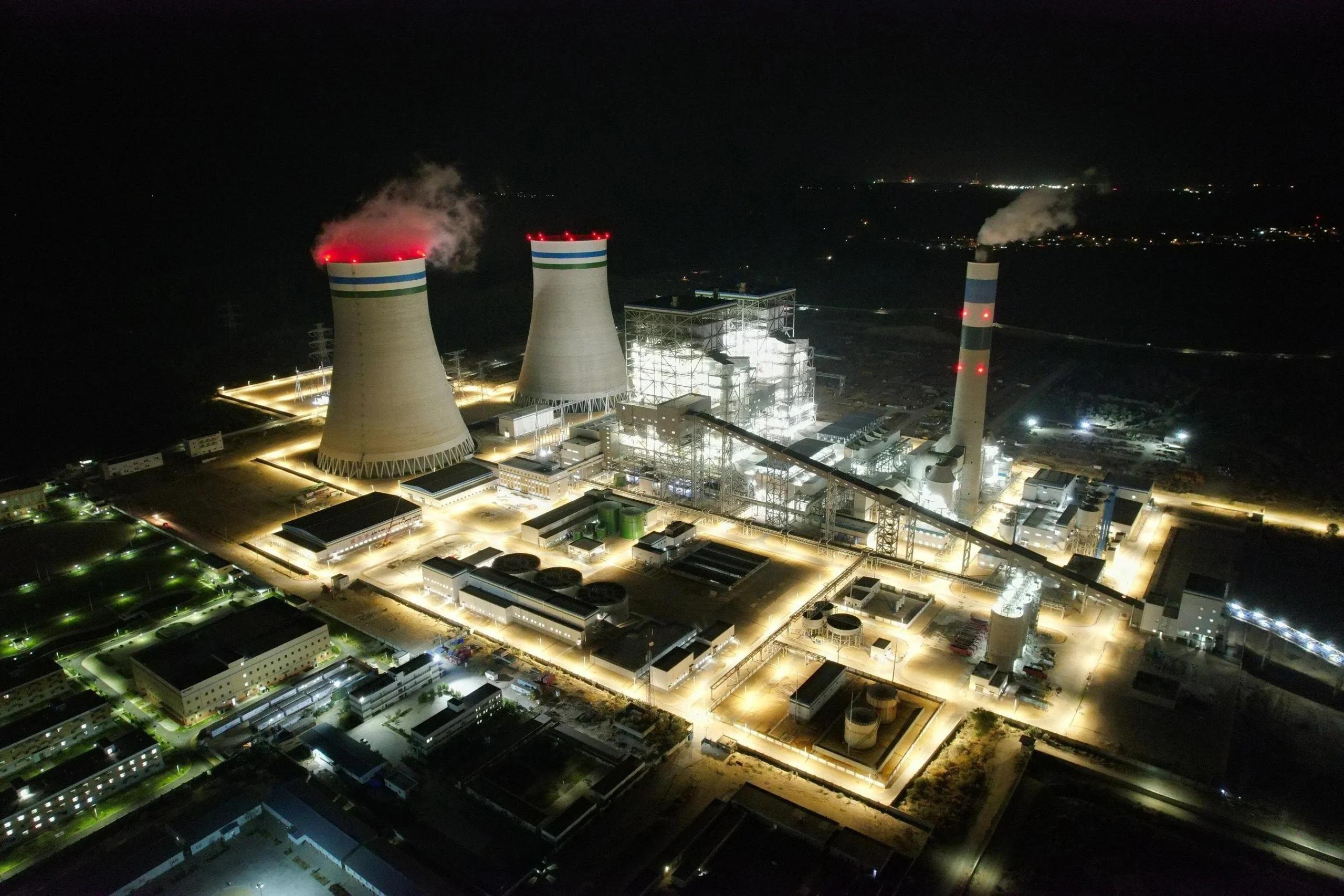
Electricity is a big part of our daily life. We use it for lighting, cooling, heating, cooking, and running machines. One of the most common ways to produce electricity is through thermal power plants.
In 2026, even with the growth of renewable energy, thermal power plants still supply a large part of the world’s electricity. This guide explains what a thermal power plant is, how it works, its types, main parts, benefits, and challenges—all in simple words.
Understanding Thermal Power Plants
A thermal power plant is a facility that produces electricity by using heat energy. The word “thermal” means heat. These plants use heat to create steam, which turns a turbine and generates electricity.
Thermal power plants are used in many countries because they can produce large amounts of electricity at a steady rate. They support homes, factories, hospitals, and cities.
Why Thermal Power Plants Are Important
Thermal power plants are important because:
-
They provide continuous electricity
-
They can run day and night
-
They support industrial growth
-
They help meet high power demand
-
They work in all weather conditions
Even in 2026, many power grids depend on thermal plants for stable energy supply.
Working Principle of a Thermal Power Plant
The working process of a thermal power plant follows a simple cycle. Each step plays an important role.
Step 1: Fuel Combustion
The process starts with fuel. Common fuels include:
-
Coal
-
Natural gas
-
Oil
The fuel is burned inside a boiler. Burning fuel creates a large amount of heat.
Step 2: Steam Generation
The heat produced in the boiler is used to heat water. As the water gets hotter, it turns into high-pressure steam.
This steam carries energy and moves at high speed.
Step 3: Turbine Rotation
The hot steam flows toward a turbine. A turbine has blades fixed on a shaft.
When steam hits the blades, the turbine starts to rotate. This converts heat energy into mechanical energy.
Step 4: Electricity Generation
The rotating turbine is connected to a generator.
The generator converts mechanical energy into electrical energy. This electricity is then sent to power grids for use.
Step 5: Cooling and Condensation
After passing through the turbine, the steam loses energy. It enters a condenser, where it cools down.
The steam turns back into water.
Step 6: Water Recycling
The condensed water is sent back to the boiler.
This cycle repeats again and again to produce continuous electricity.
Types of Thermal Power Plants
There are different types of thermal power plants based on the fuel they use.
Coal-Fired Thermal Power Plants
Coal-fired plants use coal as fuel. They are the most widely used thermal power plants.
Advantages:
-
Coal is widely available
-
Low fuel cost
-
Reliable power generation
Disadvantages:
-
High air pollution
-
Carbon emissions
-
Ash disposal problems
In 2026, many coal plants use pollution control systems to reduce environmental impact.
Gas-Fired Thermal Power Plants
Gas-fired plants use natural gas or LPG.
Advantages:
-
Cleaner than coal
-
Higher efficiency
-
Quick start and stop
Disadvantages:
-
Fuel cost can be high
-
Gas availability may vary
These plants are popular for meeting sudden power demand.
Oil-Fired Thermal Power Plants
Oil-fired plants use diesel or heavy oil.
Advantages:
-
Flexible fuel use
-
Useful in remote areas
Disadvantages:
-
Expensive fuel
-
High emissions
They are usually used as backup power plants.
Main Components of a Thermal Power Plant
Each part of a thermal power plant has a specific job.
Boiler
The boiler is where fuel burns. It produces high-pressure steam.
The boiler must handle high temperature and pressure safely.
Turbine
The turbine converts steam energy into mechanical energy.
Different turbines are used depending on pressure and temperature.
Generator
The generator produces electricity.
It works using electromagnetic principles and supplies power to the grid.
Condenser
The condenser cools steam after it leaves the turbine.
It helps reuse water and improves efficiency.
Cooling Tower
The cooling tower removes excess heat from water.
It prevents overheating and saves water.
Heat Transfer in Thermal Power Plants
Heat transfer is the core of thermal power generation.
Heat moves in three main ways:
-
Conduction through metal surfaces
-
Convection through fluids like steam and water
-
Radiation from hot surfaces
Efficient heat transfer improves plant performance and fuel use.
Environmental Impact of Thermal Power Plants
Thermal power plants can affect the environment.
Air Pollution
Burning fossil fuels releases gases like:
-
Carbon dioxide
-
Sulfur dioxide
-
Nitrogen oxides
These gases affect air quality and climate.
Water Pollution
Hot water discharge can harm aquatic life.
Wastewater must be treated before release.
Land Impact
Coal mining and ash disposal require large land areas.
Reducing Environmental Impact in 2026
Modern plants use advanced technology to reduce pollution.
Common solutions include:
-
Electrostatic precipitators
-
Flue gas desulfurization
-
Carbon capture systems
-
High-efficiency boilers
-
Hybrid energy systems
These methods make thermal power cleaner and safer.
Advantages of Thermal Power Plants
-
Reliable electricity supply
-
Large power output
-
Fuel flexibility
-
Supports economic growth
-
Works in all climates
Disadvantages of Thermal Power Plants
-
Air pollution
-
Greenhouse gas emissions
-
Dependence on fossil fuels
-
Fuel price changes
-
High water usage
Thermal Power Plants vs Renewable Energy
In 2026, renewable energy is growing fast. However, thermal power plants still play a major role.
Thermal Power:
-
Stable and continuous
-
High output
-
Fuel-based
Renewable Energy:
-
Clean and sustainable
-
Weather-dependent
-
Lower emissions
Many countries now use a mix of both.
Future of Thermal Power Plants
The future of thermal power plants is changing.
Trends include:
-
Cleaner fuel use
-
Digital monitoring
-
AI-based control systems
-
Energy efficiency improvement
-
Integration with renewables
Thermal plants are becoming smarter and cleaner.
Frequently Asked Questions (FAQs)
How does a thermal power plant produce electricity?
It burns fuel to create steam, which turns a turbine connected to a generator.
What fuel is most commonly used?
Coal is the most commonly used fuel worldwide.
Are thermal power plants still used in 2026?
Yes, they are still widely used for stable electricity supply.
Are thermal power plants harmful to the environment?
They can be, but modern technology reduces pollution.
What is the biggest advantage of thermal power plants?
They provide continuous and reliable power.
Final Thoughts
Thermal power plants remain a key part of global energy systems in 2026. They convert heat into electricity using a well-tested process. While they face environmental challenges, modern technology is helping reduce their impact.
By improving efficiency and adopting cleaner solutions, thermal power plants continue to support growing energy needs while moving toward a more sustainable future.
